This is the list of men and women (young) who are going to be in the freshman class of 2020/21 at Malawi University of Science and Technology (MUST). Download PDF of the list HERE

Friday, May 22, 2020


Sunday, May 10, 2020
Malawi is easiest, cheapest place to own a gun - 14 cents and a letter gets you license
Fast facts:
- Over 10,000 guns legally living among Malawians
- Hundreds more being smuggled from Mozambique
- Fine for possessing illegal gun: $50
- Charge for gun license: K100
- Guns governed by old 1965 Act
- MYP and YD guns still not properly accounted for
The continuing conflict in Mozambique coupled with a porous, feebly patrolled border and weak policing are the likely reasons why guns and ammunition and gun violence keeps rocking the neighbourhoods of Malawi.
Apart from the more than 10,000 civilians who are legal carriers of guns in Malawi and apart from the locally manufactured muzzleloaders used by poachers, ‘military-type’ guns from Mozambique are proving to be the real danger.
 |
| Who among us has these? |
“Our statistics show that AK47 and Pistols are popularly used in gun crime. Malawi does not license the possession and use of AK47 assault rifles both by the government or its agencies and the private sector or individuals.
“There is a consistent pattern of confessions from suspects that most of these firearms were smuggled into Malawi through Mozambique,” said Noel Kayira, Senior Assistant Police Commissioner, Deputy Commandant at Zomba Police College and, chair of the National Focal Point (NFP) on Small Arms.
The statistics are chilling; pistols and AK47s were the weapon of choice in the 151 gun crimes recorded from 2009 to 2014.
But Kayira says Malawi does not have that many criminal gangs that use firearms and that it is usually one or two criminal gangs that commit various armed violence across the country over a period of time and once arrested crime drops as was the case in Mid-2005.
Compare with Zambia, with just 14 million people, it recorded 3,168 reported cases of armed robbery in the 5 years between 1998 and 2002 and has 87,000 legal gun owners.
Some also fear that the two now-disbanded domestic political militia, the Malawi Young Pioneers (MYP) and the Young Democrats (YD) might be the source of illegal guns.
The disarmament of the MYP after the fall of Dr. Hastings Banda’s regime in 1994 is described as chaotic and incomplete), while the YD have never been disarmed and it is not publicly known what has happened to their weapons.
But Police have argued against these sources saying neither militia used AK-47s or Makarov Pistols, leaving Mozambique as the sole supplier of Malawi’s illegal guns.
With a yawning 1500 kilometer border between Malawi and Mozambique and one unhindered by geographic barriers, any gun in Mozambique can easily be in Blantyre in a matter of days.
This could be the supplier that supplied the pistol which a young Rwandan fired at a disco in Lilongwe, or the one found on a Korean in Lilongwe or the one found in the house of the Zingwangwa man that murdered his son and wife before committing suicide or even the one an MRA official in Blantyre used to kill himself.
Andrew Charman one of the few researchers on Malawi’s gun issues linked Malawi’s firearms demand in the country to organized crime, including poaching; self-defense; and political intimidation.
The fine for having an illegal weapon is a measly $50, and the fee you pay for owning a gun is only a K100. No deterrent.
With weak background checks, some of which involve letters from the easily corruptible chiefs and pastors, some people are driven to buy guns from South Africa, smuggle them into Malawi and register them as an afterthought or not register them at all.
For Charman Organized criminal activities are closely associated with military weapons such as the AK-47, whereas demand for self-defense is largely fulfilled with South African commercial weapons.
Another source of the ‘military-type’ firearms used in gun crime is those arms belonging to the MPS and other state armed forces.
The police are on record to denying this saying incident of firearms stolen or rented from state personnel for crime purposes are ‘extremely rare’.
But evidence is available. Mangochi police had to arrest one of their own at the middle of January after he was named as aiding violent robbers terrorizing the area.
At the start of the 2016 police recovered almost 300 rounds of ammunition and guns in Blantyre, the scary thing about the bust was that the ammunition is only used in police training pointing to the rented gun theory.
Malawi can partially thank Operation Rachel, a campaign to destroy Mozambican arms caches conducted jointly by the Mozambican and the South African governments, coupled with a civil society disarmament project called Transformação das Armas em Enxadas (Turning Arms into Ploughshares) that saw many firearms taken off people, pushing prices of illegal guns in the region up.
This was seen as true in a 2003 opinion survey in Malawi that saw most respondents considering illicit firearms expensive.
Guns might thus be simply too expensive for most Malawians, some even add that criminal elements have no lucrative targets in Malawi owing to the bad shape of the economy.
Scholarship says Malawi’s lack of gun culture has also been listed as one reason the country avoids gun violence thanks to the fact that Malawi avoided a civil war in the post-independence period unlike other countries.
But this might not be for long, those that did studies on the effect of Operation Rachel warned that the success of the efforts lies in the Mozambican government curbing corruption in the security sector which might not be easy especially when coupled with the fact that conflict levels in Mozambique are currently back to high levels.
Most of the guns from Mozambique are said to come in through Dedza and Ntcheu, for example, since 2000, police in Dedza have recovered at least 4 firearms per year for six years running. Of the recovered guns, there is always an AK-47 in the fray.
Gregory Mthembu-Salter in a 2009 working paper titled Trading Life, Trading Death: The Flow of Small Arms from Mozambique to Malawi warned Malawi to not only strengthen its vigilance against Mozambican guns, but to also watch the internal environment too.
“Malawians should remain vigilant about the inflow of illegal firearms from Mozambique and, indeed, all Malawi’s neighbors.
“But they should not blind themselves to domestic firearms proliferation issues regarding either the disbanded political militia or the police and armed forces’ own weapons. Violent crime, like charity, usually begins at home,” warned Mthembu-Salter.
Kayira said Malawi’s Firearms Act of 1967 is outdated and not in line with regional and international obligations. He called for a review of the Act to make it auger well with the SADC Firearms Protocol.
 |
| Kayira - Concerned |
He added that the 2012 Firearms policy and the 2013 National Action Plan on control and management of firearms and ammunition need serious implementation to curb gun trouble.
“…there is need for improved co-operation with neighbouring countries in order to address insecurity along the border areas … government should also decentralize and institutionalize the use of the Interpol I- 24/7 communication system at border entry points.
Kayira also said extradition treaties with neighbouring countries, marking of legal guns, computerized record-keeping, beefing up security of arms repositories are also important channels to explore.
“…government should where necessary, and appropriately, provide amnesty to encourage voluntary surrender of illegally held firearms. National wide public awareness campaigns should be held to encourage voluntary surrender.
“Police need to intensify border patrols to intercept criminals who smuggle guns into Malawi. The government needs to constantly provide scanning equipment at borders to detect the movement of firearms in the country,” said Kayira.
Timothy Mtambo, who heads Centre for Human Rights and Rehabilitation and whose organisation was actively part of the NFP said the need to check arms goes without saying.
“If ownership of arms are not controlled and regulated, crime increases which threatens investors and the violation of the right to personal security and of property let alone the right to life. That is why it is crucial for governments to regulate firearms,” said Mtambo.
NOTE: This is a 2016 production, a lot might have changed...but I did not edit anything to keep authenticity, read it with 2016 in mind.
Friday, May 8, 2020
Here is the Supreme Court Ruling Upholding the Constitutional Court Ruling that Ordered Fresh Elections in Malawi

Read the full verdict here. You will have to download the PDF.


Friday, April 10, 2020
Chinese Exploiting Malawian Kids in Racist/Humiliating Videos Sold for Thousands in China
 |
| Malawian kids being exploited by Chinese |
That video is just one you heard of, there are others of Chinese putting black boys sitting their laps and making them curse in Mandarin. There are is another of a Chinese man making fun of the lip-pulling tribal woman of Ethiopia by trying to kiss them.
 |
| An advert selling 'kids' services' on Weibo |
Chinese looking to spice up their
birthdays or looking to impress their girlfriends with black skin - a rare,
feared, hated and often misunderstood thing – cough between MWK5000 and MWK50,000 for a customized one.
 |
| Deals are made on Wechat |
The video is then dispatched to the happy
customer who posts it on social media for friends to awe and ask how black
monkeys from the Savannah got to sing happy birthday to them by name.
Remember, all these videos are being
posted and transacted on WeChat, QQ and Weibo, where police come to your door if
you post political opinions authorities don’t like. The fact that these videos
are freely floating on there - you can draw your own conclusions.
 |
| Ad on Weibo: African bodies = Money in China |
This is happening in Zimbabwe,
Zambia and Malawi. The products that were ‘donated’ there and ones that appear
in their online picture catalogues are in line with the products you can find
in the said countries.
According to this highlighted videographer, these kids and mothers are Malawian and the young men are Zimbabwean and you young women are from Zambia. There is even a service from Egypt and Ukraine.
In a blog post defending this Blaxploitation,
the vendors claim their ventures have ‘greatly improved the conditions’ of the
places they shoot from and that they donate food and money that is ‘more than
what the parents earn.’ See here
(link in Chinese).
The page also denies they make
the kids parrot insults and rejected the video of the kids parroting self-insulting
chants.
But look here, folks, just like on
the tobacco estates, if the kids are earning it is child labour, if the kids
are being used to make earnings for someone else, it is child exploitation. So
why the fuck are these fuckers not in some jail?
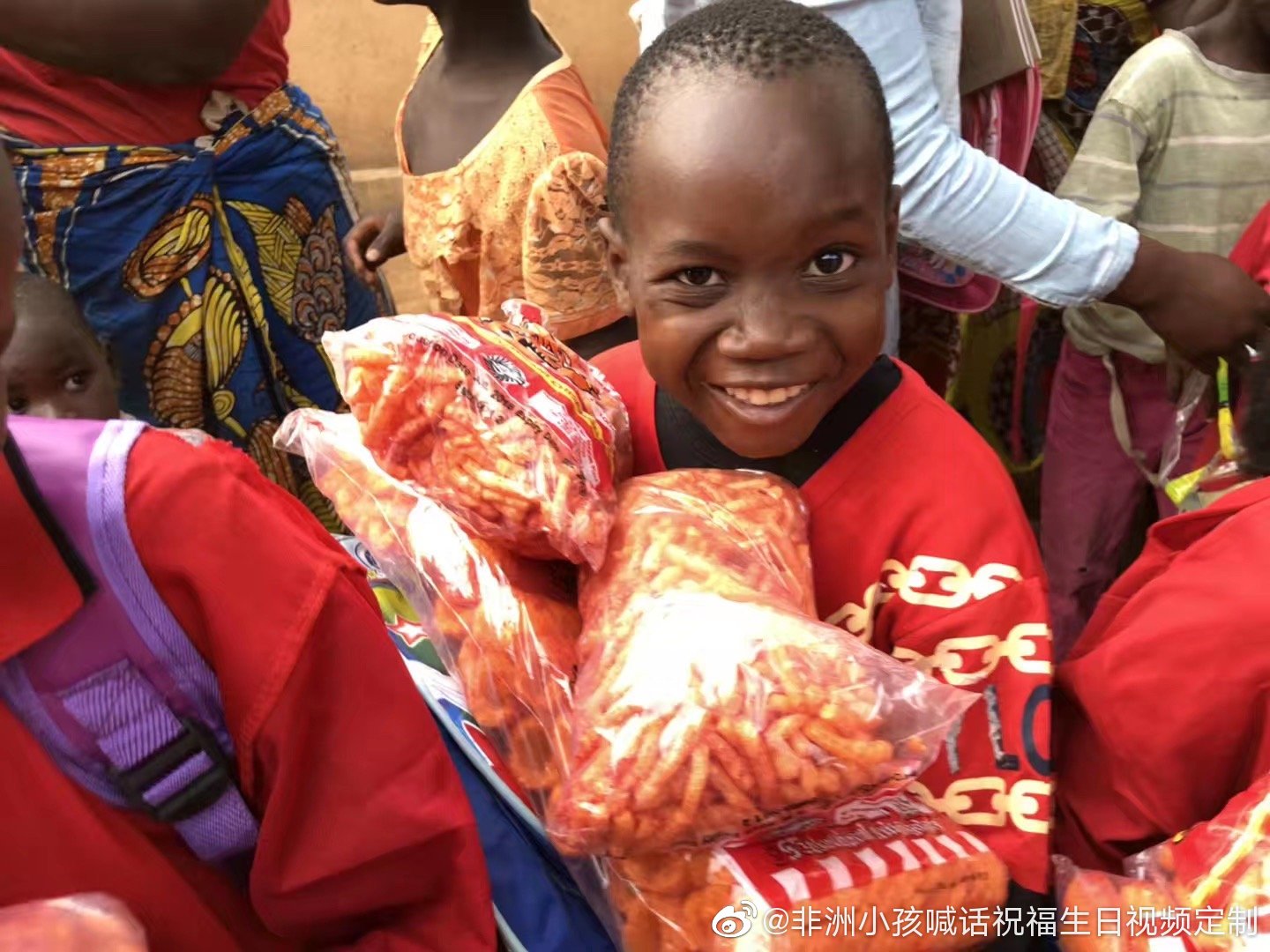 |
| Jokes: The so-called Donations |
Does it look like a donation to
you if the donor demands you wear some fake silk dress and chant like you are
in a Kungfu movie before you can collect your ‘donation’?
In China there are 1.4 billion
people there, these guys make thousands of videos and that translates to
millions on money, no wonder they are now expanding to the Middle East and
Eastern Europe to get brown and white monkeys to dance for Chinese audiences
too.
This particular page, by his own admission, has produced over 100,000 videos, you can imagine the amount of money being made.
 |
| Dressed like crowns and exploited- Zim Youths |
If you conclude that this is acceptable,
then cool…if not then the Chinese that are filming these videos around the
Njewa Area in Lilongwe and other areas in Malawi need to be warned off it or maybe brought in for ‘a
talk.’
In any case, if there is going to
be a donation, let it be a donation, because the videos make a lot of money and
they should not be hidden behind 'charity.' In the caption accompanying the picture below, the vendor said buy his video so his mother can afford some rice.
 |
| I'm happy, informed and totally understand consent! |
 |
| Some that feature in ads are not even 2 |
 |
| This guy and his click in Malawi need to get got |
Just look at the video below of a Chinese boomer putting a kid on his lap and making him say the worst curse words you can find in the Chinese dictionary.
I hope the media, the Chinese and Malawian authority and anyone who can read will make sure not another video like that is made again from Malawi or Zambia or Zimbabwe. The people don't know what they are talking about and the fact that some videos are being made that are humiliating and criminal means the whole enterprise is suspect.
Monday, March 23, 2020
Best Coronavirus Poopchallenge Prank Compilation
Parents turn on their kids for entertainment while trapped and bored at home because of the 2020 Covid19 Lockdown. Here is a selection of some of the best of the wildly popular but equally traumatizing #poopchallenge
Enjoy:
Wednesday, March 18, 2020
Mbolo Yabwinobwinoyo Mukuyibudulilanji?
Musatengeke ndi a ma bungwe onyenga, mdulidwe utha kuonongerani mbolo ndi kuthekera kwanu pogonana
ndi okondedwa anu, utha kukupangitsani kutenga HIV ndi zina zambiri. Tiyeni
tiganize limodzi.
Nkhani iyi ndi nkhani yovuta, nkhani ya
mdulidweyi akuyikamba ndikuyipititsa patsogolo ndi mabungwe amphamvu monga WHO
(UNAIDS) komanso a boma la America.
Mu 2007 bungwe la WHO linagwrizana zomema mayiko
onse omwe ali ndi anthu ambiri omwe ali
ndi HIV komanso omwe amuna ambiri sanadulidwe kuti atero. Mwa Amalawi 10 ali
onse awiri okha anali odulitsa (80%) mu 2011. Onani
apa zankhaniyi.
Koma inu mwina nkufunsa kodi HIV ndi Mdulidwe
zikugwirizana pati?
Mu 2007 a WHO ndi UNAIDS anayamba kuuza
madotolo kuti mdulidwe uphatikizidwepo pa ndondomeko zogonjestera matenda a
HIV. Anayesa izi ku malo atatu: Kisumu, Kenya; Rakai, Uganda ndi ku Orange
Farm, South Africa. Mwa omwe anayesedwa anapeza kuti mdulidwe umachepetsa tsoka
lotenga HIV ndi thekha (60%).

Atapitakonso ku Uganda kuja mwapompano anakapeza
kuti mdulidwe unachepetsa kutenga HIV ndi 73%. Onani apa. Anthu ena amati kafukufukuyu anali wofooka/wosadalilika.
Azasayansi mkafukufuku wawo akuti anapeza kuti mwa
anthu 10 ali onse, 7 kapena 8 amatenga HIV pogonana. Akuti kuchikopa cha mbolo
chakusogolo chija kuli tithu tina take (CD4 ndi CCR5) tomwe HIV imakakamirako
ikakhuzana nato. Tinthuti timapezekanso mkati mwa ntumbo kwa omwe mumagona ndi
amuna anzanuni. (Langerhans' cells, and dendritic cells—in the genital
and rectal mucosa.) Werengani apa
Nkhani yabwinotu iyi, kukhala ngati.
Koma ndiye kunaponyedwa zindalama: $1.5 billion, mukuziwa kuti ndindalama
zingati zimenezo? Ndi 1,102,500,000,000.00 Malawian Kwacha! Yonseyo kuti zikopa za mbolo za anthu a kumwera
kwa Africa zidulidwe.
Amafuna kudula mbolo 21 million ndipo akuti
kutere kupangitsa US$16.5 billion izapulumutsidwa kamba koti mmalo mopereka mwankwala
ndi chithandizo kwa anthu odwala Edzi kuzachepetsedwa. Onani
apa.
Kufika mu Chaka cha 2017 anali atadula mbolo 18
million, ndikhulupilira pano zinafika 21 million ankayifunayo.
Ndatitu kunakhuthulidwa zimakobiri, kuzipatala,
kuma nyuzi komanso kuma bungwe mu 2013 nane ndinayankhulapo za
nkhani iyi. Koma kodi izizi
nzofunika? Kodi tinaganiza mokuya za nkhani ya mdulidweyi? Ine maganizo anga ngosiyaniranako pang’ono ndi
a madolowa.
Ganizani mwakuya
 |
| Mungadye niple? |
Mutati mwalowa mchipinda, mchipinda mmenemo nkukhala
azimayi abwino, okongola 10...azimayiwo ndikunena kuti mwa anthu tenife 6
tilibe HIV folo ali nayo, sankhani mmodzi mwa ife mugone naye puleni. Olo atati
munali ndi njala ya zaka 7, mbolo yanuyo singadzuke nkomwe.
Umutu ndi mmene a UNAIDS ndi WHO
akuganiziratu.
Chachiwiri mayiko ena monga Ethiopia
kapena Egypt amadula ka nyemba ka ku nyini kwa azimayi, cholinga kuti ati
azimayi asamve kukoma pogonana komanso asaganize za kugonana… ma report ena
amanena kuti mwa azimayi 10 alione aku Egypt, 8 alibe kanyemba kaja, makolo awo
anadula. Nkani yoopsa kwabasi, a UN ndi mabungwe ali pakalikiliki kuthetsa
mchitidwewu, ku mangalande makolo ena anamangidwapo ata dula nyemba za ana awo
aakazi. Akuti kutero nkuphwanya ufulu wa azimayi, komanso kuvulaza ana, komanso
ana osakwana zaka 18 amakhala asanakhwime maganizo mokwanila kuti avomeleze
izizi.
Ku South Africa, Children’s Act
yawo ya 2005 imaletsa kudula mbolo za ana osakwana zaka 16 kupatula asilamu
kapena za ku mtundu.
Nanga ana athu akudulidwa mbolo
kunowa akudziwa chomwa akuchita? Ndikukhala ku Kawale ndimakhala ndi ma cousin
anga omwe tsiku lina anabwera kunyumba atadulidwa. Kodi dziko lino li ndi malamulo? Zikusiyana pati
kudula mbolo za amuna ndi kudula nyemba za atsikana?
Nkani yayikulu yina ndi kupanda umboni kwa
anzathu amene amapanga zimeneziwa.
Atafunsa anthu ku zambia, 94% anati akufuna adulitse
kuti asatenge matenda opatsilana pogonana. Ku Nyanza Province, Kenya, 55% ya amuna amati iwo amakhulupirira kuti akazi
amakonda kuchindidwa ndi amuna odulidwa. Akazi aku Nyanzako, ena oti
sanachindanepo ndi mwamuna odulidwa amakhulupilira kuti mamuna odulidwa amachinda
ngati porn star.

Kumalawi kuno mu kafukufuku wawo a Ngalande ndi
anzawo nawo anapeza kuti amauna amafuna mdulidwe chifukwa amafuna kukhala ma Tchale
pogonana komanso chifukwa amafuna ataziteteza kumatenda.
Pankhani iyi tichedwepo, mu kafuku wa A Munthali
ndi azungu ena awari omwe adapanga ku Zomba adapeza kuti: Anthu omwe adalandira
uthenga wa kuopsa kwa HIV anachepetsa uhule, izi sizinatengele kuti ndiodulidwa
kapena ayi.
Komano amuna ambiri (50%) anauza a Munthali ndi
anzawo kuti anthu odulidwa sangapereke matenda kwa azimayi. Azimayi (80%) nawonso
anali ndi zikhulupiliro za bozdzazi zoti mwamuna wodulidwa sangapereke HIV. Werengani
apa.
Mwina simunamve bwinobwinotu
anthuwa akadulidwa akumaganiza kuti sangatenge ndikupereka HIV. Simukutha kuoona kuti anthu odulidwa
akuwaza ma puleni ambiri kunjaku?
Chinanso ndi ichi: Anthu ambiri
amene akutenga ndikupereka HIV ku Malawi siakumidzi, si osaphunzira…komanso si
ana…HIV yambiri yili mwa anthu amene adapitilira ndi ma phunziro. Ilinso
kwambiri pakati pa anthu okwatira. Onani apa

HIV ilinso kwambiri mwa anthu amene ali ndi
ndalama. Kwa ine Ndalama ndi yimene ikupangitsa anthu ambiri kuti atenge
matendawa chifukwa mahule ndi atsikana amakhala ophweka ndi ndalama mmene
tidziwira Malawi muja. (Kumbukirani: mukakumana ndi mahule awiri ku Malawi, mmodzi
wawo ali ndi HIV).
 |
| Zodabwitsa |
Chodabwitsanso nchoti anthu amene miyambo yawo
yimapanga kale mdulidwe ndiamenenso alinso ndi HIV yambiri: kum’mwera kwa
Malawi cha ku Zomba ndi Mangochi kusiyana ndi anthu omwe sayelekedza nkomwe
kudula mbolo zawo monga aku Chitipa. Izi
zikukuuzani chani?
Kupatula kuziletsa palibe chimateteza munthu ku
HIV kuposa kondomu (98%).
Mmalo momema anthu kuti agwiritse
ntchito ma kondomu nthawi zonwe, mmalo moyika ndalama zambiri mma kondomu nchifukwa
chani ma billion akupita ku mdulidwe? Mchaka cha 2017, Malawi imasoweka makondomu
19 million. Nchifukwa chani amabungwe
ali kalikiliki ndi mdulidwe pomwe njira yabwino koposa akuyinyala?
Izi ndizimene Van Howe ndi Mzake
anapeza mukafukufuku wawo, iwo anapeza kuti mdulidwe utha kupititsa pastogolo HIV
kwathu kuno. Iwo anati mdulidwe ukutenga ndalama zofunikira pomwe zipatso zake
nzochepa. Van Howe anati kupanga
mdulidwe umodzi umatenga ndalama zokwana zogulira ma condom 3000. Werengani apa ndi penanso
apa.
 |
| Inayamba kutsika kale HIV |
Chinanso ndi ichi, padziko lonse lapansi anthu
amene akutenga HIV pachaka akucheperachepera,
inde ngakhale kumalawi kuno anthu pafupifupi 50 thousand amatenga matendawa pachaka,
komabe, zinthu zikusintha.
 Program ya dziko la américa ya Pepfar mwina
pano yadya 100 billion dollars, koma nanga nchifukwa chani anthu sakusintha
machitidwe? Mwina apa
mumvapo zifukwa koma kwa ine nkhani ndi ija ya ndalama. Kwa anthu osaukafe tikapeza
ndalama timafuna tipange zinthu zimene sitinkapanga tili osauka: Kunyenga akazi
ambiri/ okongola/odula. Komanso ma program a Pepfar ndi a tchalichi amangolimbikitsa
kupewa komanso safikira ma hule ndi ma geyi zonsezi zikupangitsa kupita
patsogolo HIV.
Ena nkumati ati anthu odulidwa amakhala
aukhondo, ndikukumbukira nthawi imeneyo a Zodiak atalandila zimpukutu za
ndalama ankayikoka nkhani iyiyi, kodi onunkha mkamwa timawadula milomo? Onunkha
kunkhwapa adulidwe manja? Nanga tikuduliranji chikopa cha mbolo ponamizila
ukhondo?
Umaoneka dolo ukamapanga mdulidwe, koma amuna
ambiri akudandaula ndipo ena akuvutika/ kuononga ndalama zankhaninkhani kubwezeretsa
kachikopa ka ku tsogolo kwamboloko.
Mukadulidwa, kutsogolo kwambolo kumauma,
kumachita kuda bii, anthu amati amuna odulidwa amatha kuchinda chifukwa choti
amatenga nthawi asanawazire kamba koti mbolo yawo imafunika kuthentha kwambiri
kuti imve kukoma. Koma nanga muzapanga izi mpaka liti? Nkana anthu awawa
akumawaza ma plain chifukwa mbolo yoguga mkondomu nde mbola.
Kachikopako kamatetedza mbolo, madala.
Mukamayenda malaya amayikwecha mbolo. Mukadula mboloyo muzabunyula bwanji poti
pobunyula timasuntha kachikopako?
 Komanso musayiwale kuti ku kachikopako kuli ma eliyolo
(nerve-endings) migolomigolo amene amathandiza kuti tiyimve kukoma gemu. Kudula
kachikopako zili ngati kumudula kongo mzimayi – mwamupha.
Anthu ena akadulidwa amakanika kuyidzutsa
mbolo, ena amadzipha,
ana ena amafa, ena amapunduka,
komanso ena moyo wawo onse umaonongeka,
mutha kukhala inu.
Yang’anani kuno madala, ngati mumatha
kuwerenga, ngati munamaliza form folo, ngati muli shasha, ngati muli ndi phoni
ya tachi, kodi mpakana mukufunika azungu apereke ma billion nkukukudulani mbolo
chifukwa choti inuyo panokha simumatha kugwiritsa ntchito kondomu?
Mwaonatu? Akukutengani ngati okanika, opanda
nzeru, akuti inuyo mumakonda puleni ndipo kuti mwina akutetezeni mwina akuduleni
kakutsogoloko. Zoona madala?
Kodi momwe ku Russia HIV ikukwereramo a UN apita
kukawadula mbolo kumenekonso kapena izizi nza anthu osauka, akuda,
osaphunzirafe?
Ku America anthu ambiri anadulidwa (80%?) ndi chikhalidwe chawo, mdulidwe kwa iwo uli ngati hamala, akufuna msomali. Msomali anaupeza kuno, anabwera akuziwa kuti akufuna chani, sanafunse munthu anangoyamba zawozo. Inu werengani apa kuti muone mabodza aanthuwa.
 |
| 99 pelecenti iyi |
Ngati mumatha kuwerenga, simufunika kudula
mbolo yabwinobwinoyo, pezani kondomu musanayiviyike, kayedzetseni ndi okondedwa
anu ngati inuyo puleni mwayifunisisa.
Tikufalitsa matenda ndife anthu ophunzirafe. Okwatiwafe.
Andalamafe. Anthu okhala ndi
ma foni a intanetife. Ngati akufuna kuthetsa HIV, ayambe mdulidwe wa anthufe,
koma ine maganizo anga ndiakuti, anthufe timadziwa kale zomwe tingachite kuti
tithetse HIV, tisapangitse ana ndi anthu akumidzi kupundulidwa kumoyo ponamizila
HIV.
Sitikukana, anthu ena odulidwa amatha kusatenga
HIV, koma kupanga mdulidwe ku mayiko oti HIV ili paliponse, komwenso anthu
ngosauka ndiponso osaphunzira kukungolimbikitsa anthu kunyenga ma puleni.
Tiyeni tipange zama uthenga ndi makondomu, ndalama musadyere pamutu pa anthu
osaziwa.
For a summary of my jumbled arguments in English read this and this, and watch the funnyman from TruTV:
Monday, March 16, 2020
The US Once Made a 'Disease' for Africa - Lumumba Case
Everyone wanted to kill Patrice
Lumumba. He was a 'mad dog,' they said.
The Belgians wanted to divide the
Congo and hold on to the resource-rich Katanga region, Lumumba lay in their way.
When he refused their offer to let Belgian troops help out with security, they
got bitter and unilaterally flew in troops and took control of the key points of
the country.
 |
| Lumumba - All wanted him dead |
In Katanga they installed Moise
Tshombe and they disarmed Congolese troops, Lumumba then did the fatal mistake,
he threatened the UN that he would ask the USSR for help if they didn't. Bad move.
The US said Congo, a source of
much coveted minerals, could not become another Cuba.
‘At a meeting of the US National
Security Council in Washington on 22 July, presided over by President
Eisenhower, the Central Intelligence Agency chief, Allen Dulles, described
Lumumba as ‘a Castro or worse’, adding: ‘It is safe to go on the assumption
that Lumumba has been bought by the Communists.’ (Meredith, 2011)
President Eisenhower, when told
by his advisers that Lumumba might succeed in forcing the UN to leave the
Congo, authorised the CIA to ‘eliminate’ Lumumba.
The head of the CIA, Allen
Dulles, sent a telegram to Lawrence Devlin, the CIA station chief in
Léopoldville, saying: ‘In high quarters here it is the clear-cut conclusion
that if [Lumumba] continues to hold high office, the inevitable result will be
at best chaos and at worst pave the way to Communist takeover of the Congo with
disastrous consequences for the prestige of the UN and for the interests of the
free world generally. Consequently, we concluded that his removal must be an
urgent and prime objective.’
Even when Mobutu, with the connivance of the CIA and UN officials, staged a coup, the US was still not over
the idea of killing Lumumba.
‘The CIA, meanwhile, fearing that
Lumumba might return to power, continued with its assassination schemes. At a
meeting of the National Security Council on 21 September, chaired by President
Eisenhower, CIA chief Allen Dulles stressed that ‘Lumumba . . . remained a
grave danger as long as he was not disposed of ’.
'A senior CIA scientist, Dr
Sidney Gottlieb, put together an assassination kit that included a poison
designed ‘to produce a disease indigenous to that area of Africa and that could
be fatal’. Gottlieb sent the kit by diplomatic pouch to Léopoldville, then
traveled there himself on 27 September to instruct Larry Devlin on how to use
it.
'Gottlieb explained to Devlin that the poison
had to be put in Lumumba’s food or on his toothbrush. But the poison reached
its expiry date before Devlin had worked out a scheme to infiltrate Lumumba’s
residence. According to Devlin, he dumped the poison kit into the Congo River.
 |
| Suffered a death worse than Kashoggi - Lumumba |
‘The Belgians were also working
on assassination schemes. In a telegram to Belgian officials in Elisabethville on
6 October, the Minister of African Affairs, Count Harold d’Aspremont Lynden,
the chief architect of Katanga’s secession, summed up Belgian intentions: ‘The
main aim to pursue in the interests of the Congo, Katanga and Belgium, is
clearly Lumumba’s élimination definitive.’ (Meredith 2011)
Lumumba was later to be tortured,
beaten up, shot, buried, exhumed, cut up into pieces and his teeth and bones ground to powder and then thrown into a river.
That is a story for another day,
but yes, there are scientists at the CIA capable of making poisons that can
mimic local diseases, and can one be forgiven if they said they can also create diseases that can mimic diseases or poisons?
If I were Alex Jones, I would also wonder why
HIV mysteriously appeared in Congo a region where Leopold killed 10 million,
and 10 million more have died there since 1998…everyone wants the Congo to be emptied.
I wonder why.
But am no Alex Jones.
Quotes from the book: The
State of Africa: A History of the Continent Since Independence by Martin
Meredith (Originally published 2005)
Saturday, March 14, 2020
Dr. Livingstone Wakagundanga Wanakazi nga Solomoni
Tikumanya wanyithu wa Synod wakumchindika
chomene Dr. David Livingstone, tose tikumanya ndiyo wakadangilira kufika na
uthenga wa yesu, ndiyoso wakajula nthowa kuti ma mission na madoda nga Dr.
Robert Laws, Robert Moffat na ma
missionale ghanandi yize nakuzakatipa masambiro, ukhristu, nakutipoka ku
malonda wa ugza ayo waharabo na wa Swahili wakatipyolanga nayo.
Kweni kasi mukumanya kuti
Livingstone wakawa mtesi, mlowevu na mlebi? Mukumanya kuti wakawa mgundizi,
mtombi, muswa bumbu wakufikapo? Mukumanya kuti wakababa wana na wamwali
wachifipa? Pulikigzani nimuphalirani. Pala ndimwe wa Synod, werengani chakukhala.
 |
| Wakawa Wanalume - Livingstone |
Utesi
Pakwamba wakapukwa kukaona waka
mkati mwa Africa, kweni wati waona kamwana ka vyaka 14 kakugulishika pa mtenga
wa futi yimoza, Livingstone wakakhumba kumalisha malonda wa bazga. Kuti wachite
ichi, wakaganiza zakuti waone pala ma sitima ghangenda mu msinje wa Zambezi kufuma
ku Mozambiki kukafika ku Congo. Iyo wakati pala ma Steamer ghangenda, ndekuti
wazungu wangiza na malonda ghanyakhe ivyo vingapangisha kuti malonda ya bagza yamale.
Wakenda kufuma ku Tete ku
Mozambiki kweni wati wafika pa Kabola Bassa, wakasanga kuti mhingi ukawa ufinyi,
sitima yingajumpha chara.
Ndalama za ulendo wake munthu uyu
wakamupanga mba Boma, Mmalo mwakuti wayowoye kuti msinje wa Zambezi ungendeka
chara, iyo wakalemba kalata kuti undendeka mchifuku. Munthu uyu ipo wakawa mu
rwani.
Ulebi
Wati watondeka kupanikigza kuti
ma sitima yangakafika ku Zaire kufuma ku
Mozambique, Livingstone wakasintha vyakuchita…sono wakati wakakhumba kukasanga
apo msinje wa Nilo ukambira. Nyengo iyi wazungu wanandi wakamanyanga chara uku
msinje uwu ukambiranga.
Livingstone wakalembanga kalikose
mu ma dayale. Pakwamba wakazizikikanga na wafipa awo wakawaonanga wakugundana
mu ma thondo pakuti manyumba yawo kale yakawa yachoko, tuvitembevitembe waka nthena.
Mubuku lakhe Into Arica: The
Epic Adventures of Stanley and Livingstone, Martin Dugard, wakalembapo vya ulowevu
na ulebi wa munganya uyu:
‘…Livingstone had no plans to marry these
women, whom he observed daily in the village marketplace. That didn’t
necessarily mean, however, Livingstone was chaste. Though a man of God, he was
not without weakness. The missionary who arrived in Africa as a teetotal virgin
had become fond of beer and champagne, and often travelled with a small bottle
of brandy when he could procure it. Livingstone was also fond of women — and
sex.
‘It was only natural in a land where the
intense heat made nudity preferable to being fully clothed, where sex often
took place in the outdoors because the communal family hut was too small for
intimacy, where the muffled sounds of furtive lovemaking could be heard at
night, and where Livingstone occasionally stumbled upon Africans in the act of
intercourse. It was also not surprising that a widower enduring long absences
from England would want the company of a woman.’
Dugard wakatiphalilaso za umo Livingstone
mu dayale lakhe wakaghanaghanilanga chomene chomene zakukhuza fumukazi yinji
yakuchemeka Manenko. Yikamutemwa Livingstone, kweniso mumuzi wawo wukawa
mudauko wawo kutemwa kugundana na walendo. Pala walendo kwawafipira wakawapanga
wamwali na pakugona, kweniso fumukazi iyo pala yati zakuno, no kukana yayi kopa
kutimbika, kuchimbigzika na kukomeka. Kale pala kwafipa nkhalamu zikakalipanga,
Livingstone uyo nkhalamu yikamulumapo.
Apulikani Dugard:
‘Livingstone’s thoughts of sex
were actually evident in his journals long before Mary died. His entry of 8
January 1854, describing a fiery African princess named Manenko, was a
commentary on the brash sexuality he encountered in his travels. Livingstone
wrote that she was ‘a tall strapping woman of about twenty … in a state of
frightful nudity.
‘This was not from want of
clothing, for, being a chief, she might have been as well clad as her subjects,
but from her peculiar style of elegance of dress. In the course of a quarrel
with her entourage she advanced and receded in true oratorical style … and, as
usual in more civilized feminine lectures, she leaned over the objects of her
ire, and screamed forth all their faults and failings since they were born, and
her despair at ever seeing them better.’
‘Manenko referred to Livingstone as ‘my little
man’, and he complained that she left him with ‘no power’. It was common for
royal women like Manenko, if they so desired, to share the bed of passing
travellers. Hypothetically, if Livingstone was so ordered, he had no choice but
to concede — or be killed.’
 |
| Werengani - Buku la Dugard |
Mu dayale yakhe munthu uyu
wakalembangamo cha ivi...kweni makalata ayo wakalembanga kwa madoda ghanyakhi
ndiyo yakutiphalira kuti munthu uyu wakawa wa mphulupulu mukabunthu. Mukalata
yakuluta kwa Munyake Seward, Livingstone wakati:
‘Sibweni ini ndini ndalewa
wanakazi kuno, ndalewa wanakazi 300 nkhuchita kupulika kunowa ngati Solomoni wa
mu Baibolo,’ ndimo wakalembera iyo.
Pulikani kwa Dugard:
‘Throughout his years in Africa, Livingstone’s
journal admissions about sex were limited to vivid appreciations of the
beautiful women he saw in his travels. But in a candid personal letter to G. E.
Seward, the British Consul whom Livingstone befriended during his time on
Zanzibar in 1866, the explorer revealed a telling private detail.
‘In the course of sharing
insights about expedition supplies and the vagaries of life in Africa,
Livingstone displayed uncharacteristic machismo by confiding in Seward that
he’d had so many African women he felt like a famously prolific Biblical lover.
‘I had like Solomon three hundred wives princess (but don’t tell Mrs Seward),’
Livingstone confessed to his fellow Scot.’
Asi mwaona? Mulisha uyu wakawa na
nkhuli yakuthwa chomeni.
Dazi linyakhi (18 March 1868) wakalemba
kuti:
‘A VERY BEAUTIFUL young woman
came to look at us, perfect in every way, and nearly naked but unconscious of
indecency — a very Venus in black,’
Namachero yakhe (19 March 1868) wakalemba kuti:
‘Grant, Lord, grace to love Thee more, and
serve Thee better.’
Asi mwaona kuti wakung’namula
kuti: nigowokelani a Chiuta chifukwa mayilo nkhapwakasha buzi? Pa 19 March
pakawa pa birthday yakhi munthu uyu… wakayipulika kunowa.
Pa wanakazi 300 mpaka pawi mwana,
wakawa kale na wana sikisi pa mpisu muori wakhe, so tikumanya kuti wakawa
chumba yayi.
Wati wafika pamalo ghanyakhe,
Livingstone, Chuma na Susi wakasangika kuti wamba kwenda na ka msepuka: ka
swesi, sisi lake nga la wanthu wafipa chara. Mwana uyu wakawa wa njani?
Mweneko Livingstone wandalembepo
za msepuka uyu, kweni wantchito wose awo wakamuperekezga ku Chitambo wakate ndi
mwana wa bwana. Kakawa kaluwaliluwali nako, apo wawiske wakaluwalanga kuti
wakhala pachoko kufwa nako wakachita kunyamulanga pa machira.
Pulikani Dugard:
‘…Livingstone’s infidelity was a
breach of character. And there was one manifestation of this that remained
fairly well concealed during Livingstone’s lifetime. It may have occurred in
the fiery Princess Manenko’s village or in some other village during his many
years in Africa, but Livingstone, it was later documented, fathered at least
one African child.
‘That son was the teenage boy who
had joined the caravan some time after Tabora. ‘He also had with him his son.
He was a half-caste. The people said it was Bwana’s son,’ Chitambo’s nephew
later swore in a deposition, speaking of the day Livingstone entered his
village.
‘Bwana’ was a term of respect.
‘The people said it was Bwana’s son. He was respected by the others as the son
of a chief. I did not see the mother or any other woman with the Bwana’s
people.’ Chitambo wasn’t the only villager who would swear to a subsequent
generation of British travelers about Livingstone’s son.
Another African, Mumana,
remembered that ‘the Bwana had one son with him … his skin was quite white like
a European child and his hair was fair’.’
Mwajipulikira mwekha. Pala mukhumba
kumanya vinandi vya mwanangwa uyu wonerani documentary yakuchemeka: The Last
Explorers: Livingstone (BBC), The
Last Explorers S1E1 kweninso chomene chomene werengani buku la Martin
Dugard – Into Arica: The Epic Adventures of Stanley and Livingstone (2004)
Nikhwasyani pa Twitter: @mutafire
Subscribe to:
Posts (Atom)